Your Tiles Are Your Roof's First Line of Defence
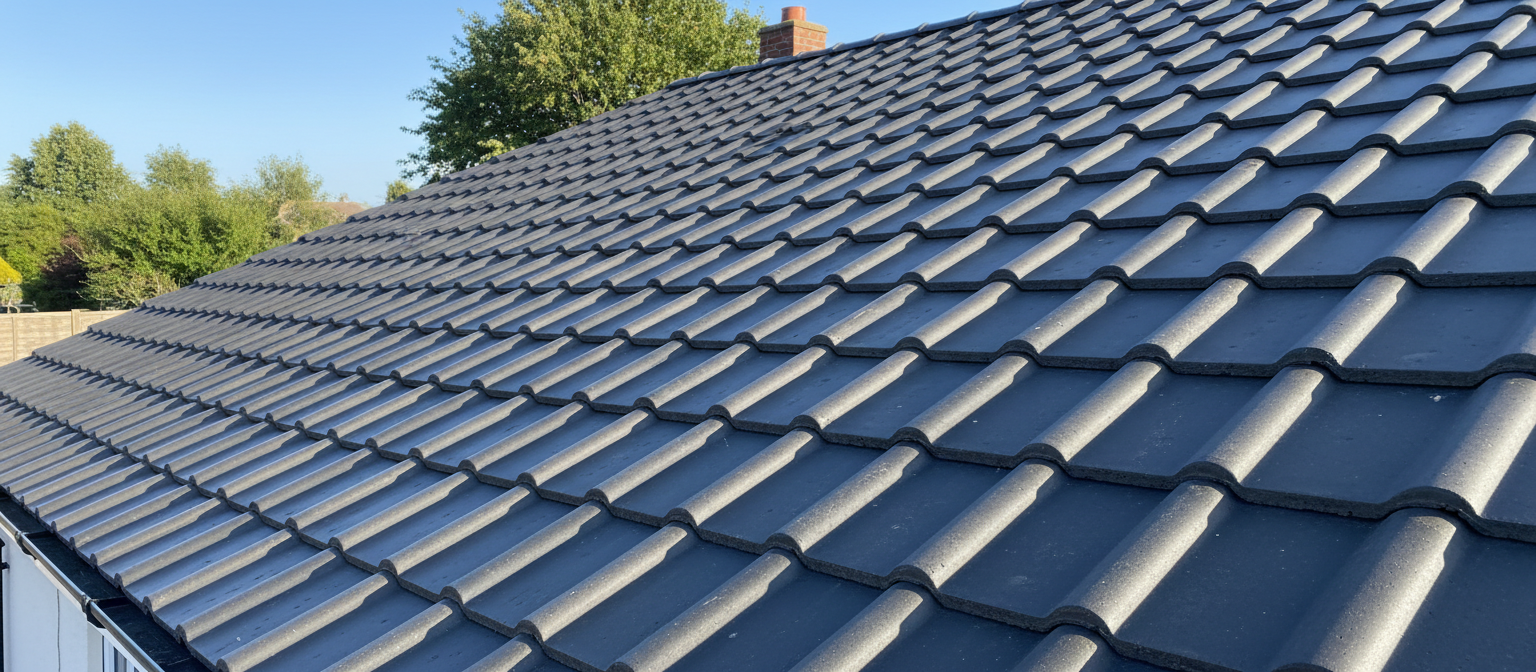
The vast majority of homes in Burton upon Trent have tiled roofs — whether it's the concrete interlocking tiles common on post-war semis or the clay plain tiles found on older Victorian and Edwardian terraces. When those tiles crack, slip, or go missing, your roof loses its ability to keep water out. And in Burton's climate, water will always find a way in.
Tile damage might seem like a minor issue, but every damaged tile is an open invitation for rain to penetrate your roof. One cracked tile in a heavy downpour can send water streaming across your felt underlay and into your loft space. If the felt is old and perished — as it often is on roofs over 30 years old — the water goes straight through to your ceilings.
At Hight Rise Roofing, we carry out tile roof repairs and replacements across Burton upon Trent, Swadlincote, Derby, Lichfield, Tamworth, and the surrounding areas. Whether you need a single tile replacing or an entire roof slope re-tiling, we've got the experience and materials to do the job properly.
Concrete Tiles vs Clay Tiles
Understanding the type of tile on your roof helps you understand how it ages and what problems to expect:
Concrete Interlocking Tiles
Concrete tiles are by far the most common roof covering in Burton upon Trent. Brands like Marley Ludlow Major, Redland 49, and Russell Grampian are found on thousands of homes across the area. They're affordable, widely available, and typically last 40 to 60 years.
The main problems we see with concrete tiles include:
- Frost damage — Concrete absorbs moisture, and when that moisture freezes, the surface flakes and crumbles. This is particularly common in Burton's cold winters.
- Colour fading — The coloured coating on concrete tiles wears away over the decades, leaving them looking patchy and tired.
- Nibs snapping off — The small lugs that hook tiles onto the battens can snap, causing tiles to slip out of position.
- Moss and algae growth — The porous surface of concrete tiles is ideal for moss, which traps moisture and accelerates deterioration.
Clay Tiles
Clay tiles are found on older and higher-end properties. They include plain tiles, pantiles, and handmade tiles. Clay is more expensive than concrete but lasts significantly longer — often 80 to 100 years or more.
Common issues with clay tiles include:
- Delamination — Cheaper or poorly fired clay tiles can delaminate over time, with layers of clay peeling apart.
- Peg and nib failure — On very old roofs, the fixing method can fail, causing tiles to slip.
- Impact damage — Clay tiles are more brittle than concrete and can crack if hit by falling branches or during maintenance work.
- Sourcing replacements — For older properties, finding a matching tile can be challenging. We have access to suppliers of reclaimed and handmade tiles to ensure a good match.
Common Tile Roof Problems We Fix
- Slipped tiles — Tiles that have moved out of position, leaving gaps for water and wind to enter. We re-bed and re-fix them securely.
- Cracked tiles — Whether from frost, impact, or age, cracked tiles need replacing before they let water in. We carry common tile types so we can often replace them the same day.
- Missing tiles — High winds can rip tiles off entirely. We replace them with matching tiles and check surrounding tiles for damage.
- Ridge tile re-bedding — The mortar holding ridge tiles degrades over time. We strip, clean, and re-bed ridge tiles using modern dry ridge systems or traditional mortar depending on your preference.
- Verge and hip repairs — The edges of your roof are vulnerable to wind damage. We re-point and re-fix verge and hip tiles to prevent water ingress.
- Widespread tile deterioration — When tiles across the whole roof are crumbling and flaking, a full re-roof may be more cost-effective than continued repairs.
Matching Existing Roof Tiles
One of the biggest concerns homeowners have when replacing tiles is whether the new ones will match the existing roof. We take this seriously. We work with a network of tile suppliers, including specialists in reclaimed and discontinued tiles, to find the closest match to your existing covering.
For concrete tiles, most major profiles are still manufactured or have direct modern equivalents. For clay tiles and handmade tiles on older Burton properties, we can source reclaimed stock that blends seamlessly with your roof. If you're considering a different tile altogether, we can advise on options that work with your property's style and any local planning requirements.
Repair or Replace? How to Decide
If only a handful of tiles are damaged, a repair is almost always the right choice. It's quick, affordable, and effective. But if you're seeing widespread damage — tiles crumbling across entire slopes, battens rotting beneath, felt failing underneath — it's time to think about a full roof replacement.
We'll always give you an honest recommendation. If a repair will do the job, that's what we'll suggest. If the roof needs replacing, we'll explain why and give you a fair price. You can learn more about full roof replacements on our new roof installations page.
Tile Roofing Across Burton and Beyond
We carry out tile roof repairs throughout Burton upon Trent and the wider area including Swadlincote, Derby, Lichfield, Tamworth, Uttoxeter, Tutbury, Barton under Needwood, and Rolleston-on-Dove. Being local means we know the housing stock and the tile types commonly used in the area, which helps us get repairs done efficiently.